![logo transparent 2.png]](https://support.readsidebyside.com/hs-fs/hubfs/logo%20transparent%202.png?width=100&height=50&name=logo%20transparent%202.png)
The Read Side by Side Reading Program was intentionally designed for the middle grades (3–8), a critical period when students transition from learning to read to reading to learn.
👍Developmentally Appropriate Design
The program meets the unique needs of middle-grade students who are
- ready for chapter book reading,
- interested in exploring new genres, topics, and themes,
- needing strong models of comprehension strategies, and
- motivated by peer interaction and a shared purpose.
The program uses age-appropriate, mature texts to invite deep discussion and builds students' independence while still providing strong teacher guidance.
📚Literature-Based Curriculum
Instead of using short passages or leveled readers, the program uses authentic novels that students read in full. This sets the program apart from most other reading programs on the market.
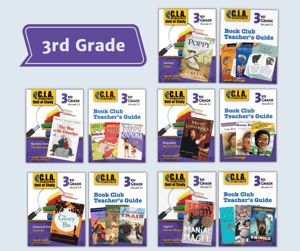

- Grade three will teach five units a year. Students will read ten full-text novels (5 Fiction, 3 Nonfiction, 2 Historical Fiction) and read a number of full-text nonfiction articles.
- Grade four will teach five units a year. Students will read ten full-text novels (4 Fiction, 3 Nonfiction, 3 Historical Fiction) and read a number of full-text nonfiction articles.
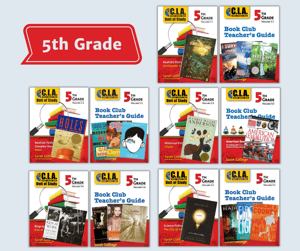
- Grade five will teach five units a year. Students will read ten full-text novels (6 Fiction, 2 Nonfiction, 2 Historical Fiction) and a number of full-text nonfiction articles.
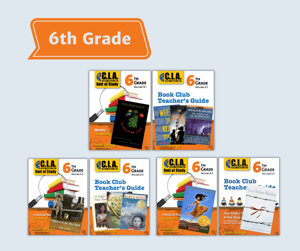
- Grade six will teach three units a year. Students will read six full-text novels (2 Fiction, 2 Nonfiction, 2 Historical Fiction) and a number of full-text nonfiction articles.
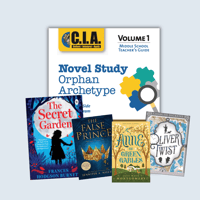
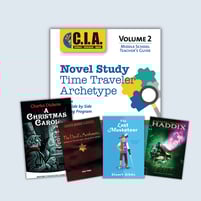
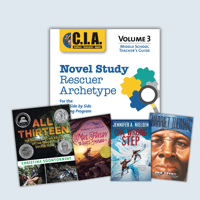
Grades seven and eight currently have two units published, with a third unit set for release in 2026.
Novels
- represent a range of genres, topics, and cultures.
- address themes of courage, empathy, justice, and perseverance.
- increase in complexity from grade three to grade eight.
Nonfiction Texts
- represent a range of genres, including informational nonfiction, biography, memoir, and photo essay.
- address themes of cultural heritage, the journey of self-discovery, human rights, social justice, and exploration.
- increase in complexity from grade three to grade eight.
💬Emphasis on Discussion and Collaboration
Middle-grade students thrive on peer interaction, so the program is built around shared reading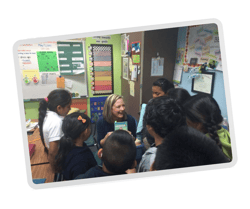 and book clubs.
1. Read-Aloud: Students are fully engaged as they follow along in their own book, discuss the book with a partner, take notes and write about their reading. The teacher "thinks-aloud" to model how good readers think strategically.
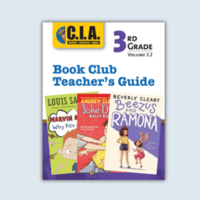
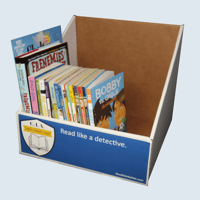
2. Book Clubs: Students join book clubs where they are matched to a below, on, or above grade level book. Students apply the same strategic thinking strategies and work independently.
3. Writing: Students write in response to reading and practice on-demand and process writing.
💗Emotional and Social Growth
Middle-grade novels act as "windows and mirrors" helping students explore identity, friendship, and justice–issues students care deeply about. Students
- learn empathy,
- see examples of resilience and courage, and
- connect reading to their own moral and social development.
👍Watch engagement soar as students master grade-level standards and develop lifelong reading habits!
Not sure if the program is right for you?
Connect with an advisor!
🐶 PreK-2 Program Partner: The Superkids Reading Program, published by Zaner-Bloser.
Learn more about The Superkids Reading Program